Imagine a bustling playground where children laugh, chase, and trade snacks like a well‑orchestrated orchestra. Now picture a toddler who watches from the sidelines, eyes darting but never quite connecting, a hand that clutches a toy as if it were a lifeline. For parents and teachers, such scenes can feel like trying to spot a needle in a haystack—except the needle is a subtle cue that may signal autism early signs in toddlers who have difficulty with social interactions in the playground. This article unpacks those cues, offers practical strategies, and reminds us that every child’s journey is unique.

Understanding the Playground as a Social Lab
The Playful Playground: More Than Slides and Swings
A playground is more than a collection of equipment; Visit this link it’s a dynamic arena where toddlers practice negotiation, turn‑taking, and empathy. It’s where a child learns that a simple “please” can open a door to friendship. When a toddler consistently sidesteps these social experiments, it can be a red flag worth noting.
Why Social Interaction Matters at This Age
Between 18 and 30 months, most children start to display basic social reciprocity—mirroring smiles, pointing at objects, and engaging in parallel play. These milestones are the building blocks for later language and emotional regulation. A gap here can hint at underlying neurodevelopmental differences.
Common Autism Early Signs in Toddlers Who Have Difficulty with Social Interactions in the Playground
Eye Contact and Facial Recognition
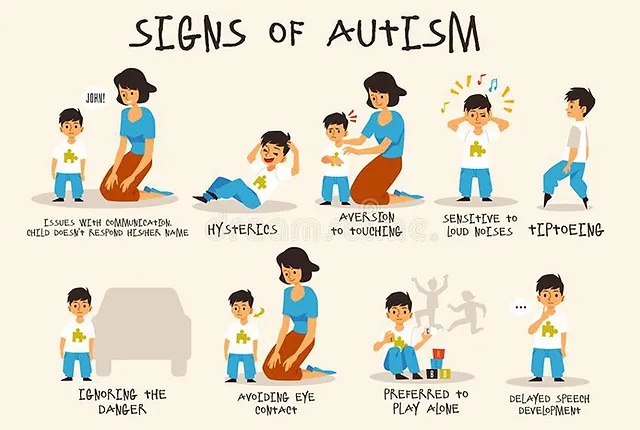
- Limited eye contact: The toddler avoids looking into peers’ eyes, especially during play. Delayed facial recognition: Difficulty distinguishing familiar faces from strangers.
Imitation and Play Patterns
- Repetitive play: Repeating the same action over and over, such as spinning a toy or lining up blocks. Preference for solitary play: Choosing to play alone even when peers are nearby.
Repetitive Behaviors and Rituals
- Rigid routines: Insistence on a specific order of play, e.g., always pushing the swing before the slide. Resistance to change: Distress when a routine is interrupted, even by a simple change of weather.
Sensory Sensitivities That Show Up on the Playground
- Over‑reactivity to noise: Startling at the clatter of metal or the chatter of other children. Under‑reactivity to touch: Lack of response to gentle pats or accidental bumps.
> “The world is not a puzzle to be solved, but a place to be understood.” – Dr. Temple Grandin
A Real‑World Anecdote: The Case of Little Maya
The Day at Maple Street Park
Maya, a 2‑year‑old with a bright smile, was invited to a birthday party. While other toddlers chased each other around the merry‑go‑round, Maya stayed near the sandbox, staring at a stack of plastic cups. She never approached the other kids, and when a boy offered a cookie, she simply shook her head.
The Observation That Sparked Action
Maya’s mother noticed her daughter’s reluctance to engage and consulted a pediatrician. A developmental screening revealed patterns consistent with autism early signs in toddlers who have difficulty with social interactions in the playground. Early intervention led to Maya’s gradual inclusion in group activities, illustrating how timely recognition can change trajectories.
How Parents and Educators Can Respond
Creating Inclusive Play Spaces
- Designate quiet zones: Areas with minimal noise and visual distractions. Use clear signage: Simple icons indicating play areas for different activities.
Encouraging Social Cues Through Games
- Turn‑taking games: “Red light, green light” or “Simon says” help teach sequencing and listening. Story‑based play: Encourage role‑playing to practice empathy and perspective‑taking.
When to Seek Professional Guidance
- Persistent social withdrawal: If a child consistently avoids interaction for several months. Sensory overload: Signs of distress in typical play environments. Developmental delays: Language or motor skills lagging behind peers.
> “We may encounter many defeats, but we must not be defeated.” – Maya Angelou
The Road Ahead: Empowering Families
Resources and Support Networks
- Local support groups: Connect with other parents for shared experiences. Early intervention programs: Therapies focusing on social communication. Online forums: Reliable websites offering evidence‑based information.
Turning Awareness into Action
- Document observations: Keep a play diary noting social interactions and behaviors. Set realistic goals: Small, achievable milestones, like making eye contact for a few seconds. Celebrate progress: Acknowledge every step forward, no matter how small.
Turning the Playground into a Pathway of Possibility
Isn’t it amazing how a simple swing can become a launchpad for social growth? By observing the subtle cues—limited eye contact, repetitive play, and Prenatal environmental factors sensory sensitivities—parents and educators can identify autism early signs in toddlers who have difficulty with social interactions in the playground. The key lies not in labeling but in listening, supporting, and creating inclusive environments where every child can thrive. If you notice any of these patterns, consider a gentle conversation with a pediatrician or a developmental specialist. Together, we can turn playground moments into stepping stones toward confidence, connection, and joy.